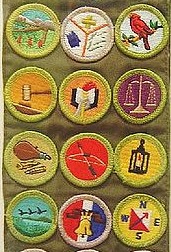
 During the last seven months we have seen three new merit badges introduced to the Boy Scout merit badge program (Scuba Diving, Geocaching, and Scouting Heritage). We have also seen the return of four merit badges for this year only (Signaling, Tracking, Pathfinding, and Carpentry). But did you know that the BSA is not done yet? Two more merit badges should be introduced this year, the Inventing and the Robotics merit badges. Yes, that is right, two merit badges for the tech savvy Boy Scout.
According to the Lake Huron Area Council’s Website:
These badges are being introduced because they received positive feedback in a youth interest survey. If five new merit badges seems like a lot, it is. By comparison, the BSA introduced just six new merit badges between 1992 (Collections) and 2006 (Composite Materials). But the new badges aren’t the only innovation. In the past it took three years to create a merit badge. Now, that time has been cut to just less than a year, helping to keep the badge topics and content fresher than ever.
Sounds the like BSA has stepped up their game a bit, don’t you agree? What do you think about all these new merit badges in such a short time period?
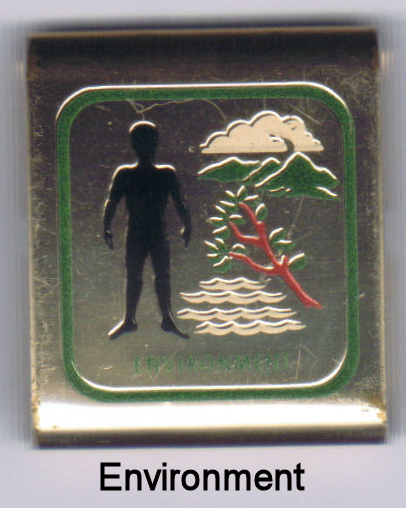 After six skill awards that began with the letter C (which is half of them, by the way) we arrive at the Environment Skill Award. Some of these requirements made it to the new rank requirements in the late 1980’s. Some of them almost seemed like they were preparing the Boy Scout for some of the environmental themed merit badges. Here are the requirements: